
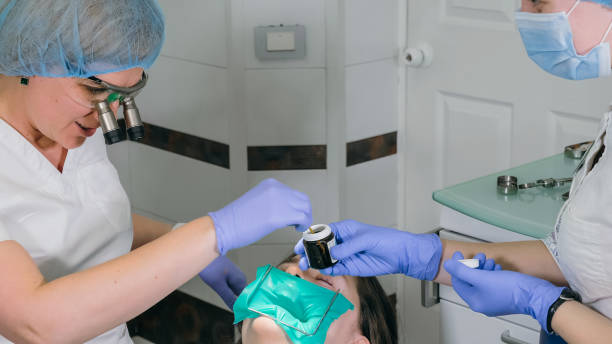
Dental fillings are designed to restore teeth affected by decay or minor damage, but they don’t last forever. Over time, normal wear and tear, biting on hard foods, or underlying tooth decay can cause a filling to loosen or fall out. If you need emergency filling repair, acting quickly can help protect your tooth, reduce discomfort, and prevent further damage.
Why Do Dental Fillings Fall Out?
A filling may come loose or fall out for several reasons, including:
- Normal wear after years of use
- Tooth decay developing beneath the filling
- Biting on hard or sticky foods
- Teeth grinding (bruxism)
- Trauma or injury to the mouth
- A cracked or fractured tooth
When a filling is lost, the exposed tooth becomes more vulnerable to bacteria, sensitivity, and additional decay. Prompt treatment is the best way to avoid more extensive dental procedures.

What to Do If Your Filling Falls Out
If your filling has fallen out, follow these simple steps until you can see your dentist:
1. Keep the Area Clean: Rinse your mouth with warm water and brush gently around the affected tooth to remove food particles and bacteria.
2. Avoid Chewing on the Affected Side: Try not to bite down on the exposed tooth, especially when eating hard, crunchy, or sticky foods.
3. Manage Tooth Sensitivity: The exposed tooth may be sensitive to hot, cold, or sweet foods. Choose soft foods and avoid extreme temperatures until your appointment.
4. Don’t Attempt Permanent Repairs: Temporary dental filling materials available at pharmacies may offer short-term protection, but they are not a substitute for professional care. Never use household glue or other adhesives inside your mouth.

Is a Lost Filling a Dental Emergency?
When you visit your dentist, they will examine the affected tooth and determine the most appropriate treatment. Depending on the condition of the tooth, they may:
- Replace the missing filling with a new one
- Remove any new decay before placing the filling
- Repair minor damage to the tooth
- Recommend a dental crown if the tooth has become significantly weakened
- Suggest root canal treatment if the tooth’s pulp has been affected
The goal is to restore the tooth’s strength, function, and comfort while preventing future complications.
Prevent Fillings from Falling Out
Not every lost filling requires immediate emergency treatment, but you should seek prompt dental care if you experience:
- Severe or persistent tooth pain
- Swelling around the tooth or gums
- A cracked or broken tooth
- Bleeding that doesn’t stop
- Difficulty chewing because of pain
- Signs of infection, such as pus or fever
If left untreated, a lost filling can lead to deeper decay, infection, or even the need for more complex treatments like root canal therapy or a dental crown.
How Emergency Filling Repair Works
Although fillings can eventually wear out, you can extend their lifespan by:
- Brushing twice daily with fluoride toothpaste
- Flossing every day
- Visiting your dentist for regular checkups and cleanings
- Avoiding chewing on ice, hard candy, or non-food objects
- Wearing a nightguard if you grind your teeth
- Addressing small dental problems before they become larger ones
Good oral hygiene and routine dental care help keep both your teeth and existing fillings in excellent condition.

Get Professional Emergency Filling Repair
If you’ve lost a filling or are experiencing tooth pain, don’t delay treatment. Prompt emergency filling repair can relieve discomfort, protect your tooth, and help prevent more serious dental issues.
Our experienced dental team provides fast, compassionate care for patients with lost fillings and other urgent dental concerns. Learn more about our Emergency Dentistry services or contact our office to schedule an appointment as soon as possible. Early treatment is the best way to restore your smile and protect your oral health.
