
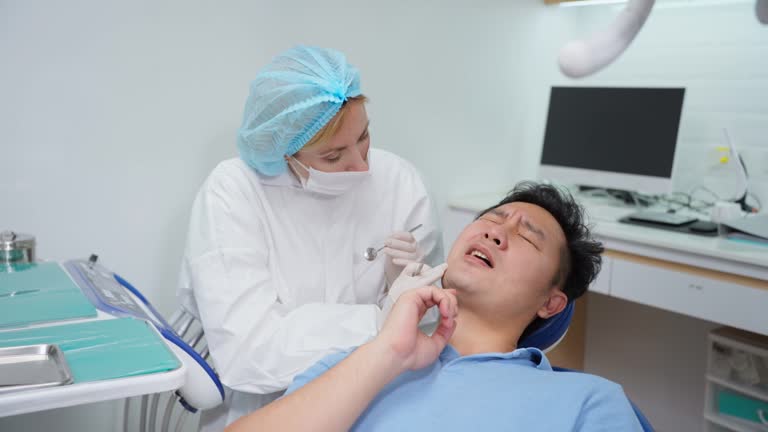
A loose permanent tooth is never something you should ignore. While baby teeth are meant to loosen and fall out, an adult tooth becoming loose often signals an underlying problem that requires immediate attention. Whether your tooth became loose after an accident, a sports injury, or due to advanced gum disease, visiting a loose tooth emergency dentist as soon as possible can significantly improve the chances of saving your tooth.
In this guide, we’ll explain the common causes of a loose tooth, what you should do before your dental appointment, and how emergency treatment can help protect your oral health.
Why Is My Permanent Tooth Loose?
Several conditions can cause an adult tooth to become loose, including:
- Facial trauma from a fall or accident
- Sports-related dental injuries
- Biting down on a hard object
- Advanced gum disease (periodontitis)
- Teeth grinding (bruxism)
- Bone loss around the tooth
- Untreated dental infections
Regardless of the cause, a loose permanent tooth should always be evaluated promptly by an emergency dentist.

What to Do Before Seeing a Loose Tooth Emergency Dentist
If you notice that a permanent tooth has become loose, taking the right steps before your appointment can help prevent further damage.
1. Avoid Touching or Wiggling the Tooth
Although it may be tempting to check how loose the tooth is, avoid moving it with your fingers or tongue. Excessive movement can damage the supporting tissues and reduce the chances of successful treatment.
2. Eat Soft Foods
Stick to soft foods such as yogurt, mashed potatoes, smoothies, or soup. Avoid chewing on the affected side of your mouth until your dentist has examined the tooth.
3. Maintain Gentle Oral Hygiene
Continue brushing and flossing carefully to keep the area clean. Be gentle around the loose tooth to avoid additional irritation.
4. Control Pain and Swelling
If you’re experiencing discomfort, apply a cold compress to the outside of your cheek for 15–20 minutes at a time. Over-the-counter pain relievers may also help, as directed.

Is a Loose Tooth a Dental Emergency?
You should contact an emergency dentist immediately if you experience:
- A tooth that suddenly becomes loose
- Bleeding around the affected tooth
- Severe pain or swelling
- A loose tooth after a fall, accident, or sports injury
- Difficulty biting or chewing
- A tooth that feels like it may fall out
Prompt treatment often leads to better outcomes and may help prevent tooth loss.
Preventing Future Loose Teeth
While not every dental emergency can be prevented, you can lower your risk by:
- Wearing a mouthguard during sports
- Brushing and flossing daily
- Scheduling regular dental checkups
- Treating gum disease early
- Avoiding chewing ice or hard objects
- Wearing a nightguard if you grind your teeth
Healthy gums and strong supporting bone play a vital role in keeping your teeth secure.
How an Emergency Dentist Treats a Loose Tooth
Your dentist will first determine the underlying cause of the looseness through a clinical examination and dental X-rays. Treatment may include:
- Stabilizing the tooth with a dental splint
- Treating gum disease to restore supporting tissues
- Repairing injuries to the tooth or surrounding bone
- Root canal therapy if the tooth’s pulp has been damaged
- Bite adjustments for teeth affected by grinding
- Tooth replacement options if the tooth cannot be saved
Every case is unique, so your treatment plan will depend on the severity of the injury and your overall oral health.

Don’t Ignore a Loose Permanent Tooth
A loose adult tooth should always be treated as a dental emergency. Acting quickly gives your dentist the best opportunity to stabilize the tooth and protect your long-term oral health. If you’ve noticed a loose permanent tooth after an injury or due to another dental problem, don’t wait. Schedule an appointment with a loose tooth emergency dentist as soon as possible to receive the care you need and improve your chances of saving your natural smile.
